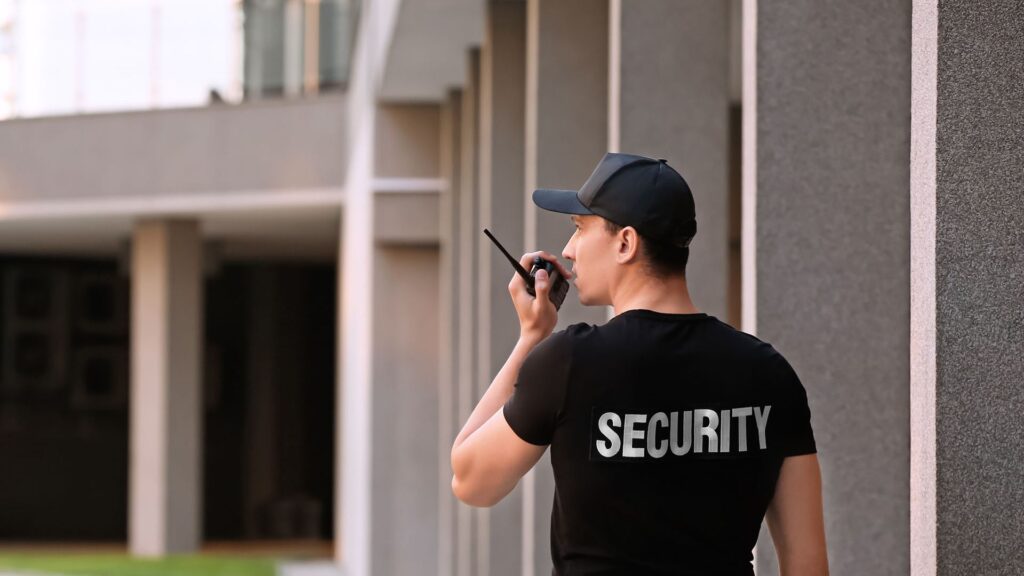
Female security guards
“The Role of Female Security Guards in Society”
Definition of Female Security Guards
Female security guards are trained professionals tasked with protecting individuals and property while ensuring safety across a variety of environments. Although their role shares the same core objective as that of male guards—maintaining order and safety—there are distinct differences in how their duties are carried out. Female security guards often serve in critical areas such as shopping centers, schools, and public facilities, where their responsibilities are essential for preventing incidents and creating a secure and comfortable environment for visitors and staff.
Their main duties include monitoring daily activities, responding swiftly to emergencies, and engaging positively with the public to foster trust. They also play a role in educating others about safety and security. Effective communication skills and the ability to remain calm under pressure are crucial, as they are often required to make quick, sound decisions. Furthermore, ensuring a safe workplace contributes to higher productivity and reduced risks.
The presence of female security guards also reflects progress in gender equality. Their employment marks a significant step toward achieving balanced representation in security roles. This diversity brings new perspectives in addressing safety concerns, which can enhance overall effectiveness. Ultimately, female guards are not only protectors but also agents of positive social interaction within the communities they serve.

The Importance of Female Security Guards in Institutions
Female security guards are vital to institutions, playing a key role in creating a sense of safety for both employees and visitors. Their presence provides reassurance, which in turn promotes productivity and helps foster a secure working environment. Their contribution also signals an organization’s commitment to achieving the highest standards of safety and helps build trust among all members of the institutional community.
Moreover, the diversity introduced by employing female guards has a positive impact on workplace culture. Having security personnel from diverse cultural and ethnic backgrounds promotes mutual understanding and inclusion. This environment encourages broader human values and can also lead to reduced bias and greater efficiency in managing safety, as female guards are often adept at understanding the nuanced needs of both visitors and employees.
Female security guards also play a key role in promoting a culture of safety and respect within organizations and civil society. Through the implementation of best security practices, they help educate staff on how to handle threats and raise public awareness of safety issues. This not only strengthens the sense of mutual respect but also invites everyone in the institution to contribute to its overall safety. As such, their role extends beyond securing property—they also help uphold institutional and societal values.
Challenges Faced by Female Security Guards
Female security guards face a range of challenges that can significantly affect their job performance and mental well-being. Chief among these is exposure to violence, whether physical or psychological. Their work environments can sometimes be risky, and they often find themselves handling hostile situations or even being assaulted by those they are trying to manage. Such traumatic experiences impact not only their physical safety but also their mental health, potentially leading to anxiety and depression.
Discrimination is another major challenge. In some settings, the role of female guards is not given the respect it deserves, which can undermine their confidence and performance. They may be perceived as less important team members, reinforcing stereotypes. Addressing this issue requires greater psychological support and public appreciation of their work to enhance their image and affirm their value as capable and essential contributors to security operations.
One of the most pressing issues is the lack of adequate training and professional development. Many female security guards do not have access to the programs needed to build skills in emergency response or conflict de-escalation. This training gap can reduce their ability to perform tasks efficiently and may lead to doubts about their competence. Therefore, more efforts are needed to ensure continuous professional development and to strengthen their technical and interpersonal capabilities.
Inspiring Success Stories of Female Security Guards
Female security guards have made inspiring contributions to society, playing prominent roles in improving safety and security. Despite the obstacles they face, there are many success stories that highlight their achievements and positive impact. For instance, a woman named Fatima rose to the position of Head of Security at a major company, despite facing initial challenges. She began her career as a traditional securityco.org/”>guard but invested in gaining qualifications and building her self-confidence, eventually reshaping her colleagues’ perceptions of women in security roles.
Fatima’s story exemplifies how female guards can overcome barriers and build successful careers. These stories are not limited to the professional realm—they extend to community outreach. For example, groups of female guards have organized workshops for women in their communities, teaching personal safety awareness and how to respond to dangerous situations. These efforts not only improve security but also build trust between the guards and the communities they serve.
Such inspirational examples help challenge negative stereotypes about women in security. They show that female guards are true leaders whose experiences elevate their professional standing and inspire other women to enter the field. Through these successes, society is gradually reshaping the public image of women in security roles, promoting thoughtful dialogue about safety issues and encouraging active participation in social and professional life.
For more securityco.org/en/blogs/”>articles